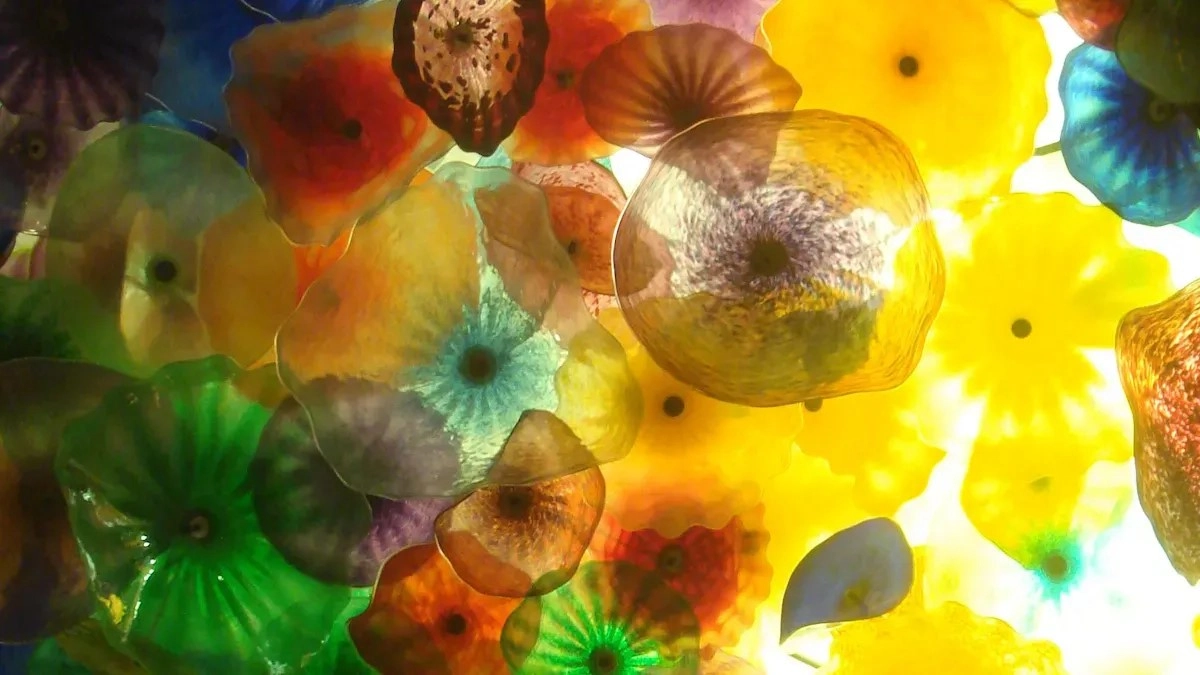
Choosing colors in Chihuly-style glasswork isn’t just about picking what looks good. You make an artistic statement and send a message with every hue. If you understand the emotional power behind Colors & Meanings, you can craft pieces that speak to people. Think about the mood you want to create and the story you want your glasswork to tell.
Want inspiration? Remshep’s Blue Chihuly Style Murano Glass Chandelier shows how blue tones can set an inviting atmosphere and spark conversation.
Key Takeaways
-
Colors in Chihuly-style glasswork convey emotions and messages. Choose hues that reflect the mood you want to create.
-
Different colors evoke specific feelings. For example, blue promotes calmness, while red sparks passion. Use this knowledge to enhance your art.
-
Lighting affects how colors appear in glasswork. Consider where you display your piece to maximize its visual impact.
-
Mixing colors can create unique emotional effects. Experiment with combinations to tell a new story through your glass art.
-
Your artistic intent matters. Think about the feelings and messages you want to share with your audience through your color choices.
The Power of Color in Glasswork
Emotional Impact of Color
Color sits at the heart of Chihuly-style glasswork. You notice it right away. Chihuly became famous for his bold use of color. His vibrant hues grab your attention and make you feel something. Other glass artists may focus on shape or texture, but Chihuly’s pieces stand out because of their colors. When you look at his work, you see how Colors & Meanings shape the mood.
Different colors trigger different emotions. You can use color to set the tone for your glasswork. Here’s what some colors do:
-
Green brings balance and harmony. It makes you feel stable and refreshed. Mint green feels playful, while forest green feels grounding.
-
Red sparks strong feelings like love or anger. It can even make your heart beat faster.
-
Blue calms you down and builds trust. Hospitals use blue to help people relax.
-
Yellow lifts your spirits. Too much yellow can cause frustration.
-
Purple inspires creativity. Pastel purple feels soothing.
Tip: Try mixing shades to create unique emotional effects in your glasswork.
Visual Experience and Light
Glasswork changes as light moves through it. You see colors shift and glow. Light interacts with the glass in several ways:
-
Absorption: The glass absorbs certain wavelengths, so you see specific colors.
-
Scattering: Light scatters inside the glass, making colors look different from each angle.
-
Reflection: Light bounces off surfaces, changing how intense the color appears.
Take a look at how people react to multi-colored glass installations:
| Color Tint |
Emotional Response |
Physiological Measure |
|---|---|---|
| Red |
Enhanced response for pleasant images |
Increased skin conductance |
| Blue |
Moderate response |
Moderate skin conductance |
| Yellow |
Variable response |
Variable skin conductance |
| Green |
Lower response |
Lower skin conductance |
You can see how light and color work together to create a powerful experience. When you choose colors for your glasswork, you shape both the mood and the visual impact.
Colors & Meanings in Chihuly-Style Art
Symbolism of Blue, Green, Red
When you look at Chihuly-style glasswork, you see more than just beautiful shapes. You see a story told through color. Each hue carries its own meaning. Artists have used these colors for centuries to express feelings and ideas.
-
Red stands for divine love, courage, and self-sacrifice. You often see red in glass art when the artist wants to show warmth or strong action.
-
Blue brings thoughts of heavenly light and deep meditation. It can make you feel calm and loyal. Many people use blue when they want to create a peaceful space.
-
Green mixes wisdom and wealth. It shows hope, victory, and happiness. Green often reminds people of spring and youth.
You might notice that these meanings come from stained glass traditions. Chihuly’s palette takes these old ideas and gives them a modern twist. He uses blue, green, and red to connect his art to nature. Sometimes, he wants his colors to blend with gardens or outdoor spaces. Other times, he uses them to stand out and grab your attention.
Note: The meaning of color can change depending on where you live or your culture. For example, red means love and passion in the West, but it stands for prosperity and joy in the East.
Here’s a quick look at how different cultures see color:
| Color |
Western Interpretation |
Eastern Interpretation |
|---|---|---|
| Red |
Love, passion, danger |
Prosperity, joy |
| White |
Purity, peace |
Mourning, death |
| Gold |
Divine light, purity |
Divine light, purity |
| Black |
Sin, death |
Sin, death |
When you choose colors for your glasswork, you shape how people feel and what they think. Colors & Meanings go hand in hand. If you want to create a certain mood, think about what each color says to your viewers.
Remshep’s Blue Chihuly Style Murano Glass Chandelier shows how blue can set the mood in a room. The blue to clear ombré design creates a calm and inviting atmosphere. The chandelier uses 65% blue to clear glass and 35% clear glass. This mix lets light move through the piece and gives your space a peaceful glow. You can adjust the color bulbs to match your mood or the occasion. This is a great example of how Colors & Meanings work in real life.
Contrast and Unexpected Combinations
Chihuly-style art is famous for bold color choices. You see artists mix colors that you might not expect. Sometimes, they use colors that blend together. Other times, they pick colors that clash on purpose. This creates excitement and draws your eye.
-
Chihuly often uses color to match the environment. He might use green and blue to echo the colors of a garden.
-
He also likes to surprise you. He puts red next to blue or green to make each color pop.
-
These choices come from stained glass traditions, but they feel fresh and modern.
You can see how Colors & Meanings change when you mix colors. A blue chandelier feels calm by itself. Add a touch of red, and the mood shifts. The piece feels more lively and bold. When you combine colors, you create new stories and feelings.
Tip: Think about how your viewers will react to your color choices. Their background and culture can change how they see your art. There is no single right answer. The best glasswork makes people feel something special.
Colors & Meanings shape every part of Chihuly-style glasswork. When you pick your hues, you decide what story your art will tell.
Choosing Hues for Your Glasswork
Artistic Intent and Mood
What makes your glasswork stand out? The colors you choose tell your story. When you pick a hue, you decide what feelings your piece will share. Some artists want to create a sense of calm. Others want to spark excitement or curiosity. You can use color to match your own personality or the message you want to send.
Here are some things you might think about when choosing colors for your glasswork:
-
What mood do you want to create? Deep blues can bring serenity, while bright reds can show energy or passion.
-
What story do you want your art to tell? Lush greens might remind people of forests and growth. Purples can feel dreamy or mysterious.
-
What colors work well together? Complementary colors, like blue and orange, create strong contrast. Analogous colors, like blue and green, give a smooth, peaceful flow.
-
What kind of energy do you want? Bright colors feel lively. Subtle colors feel calm.
You also need to know that the color of glass changes as you work with it. The heat from the furnace activates metal oxides, which create different shades. For example:
-
Cobalt oxide gives you deep blues.
-
Chromium oxide makes lush greens.
-
Copper oxide can turn into turquoise or ruby, depending on the temperature.
-
Gold chloride creates a brilliant ruby red.
-
Selenium gives you peach to scarlet tones.
-
Manganese makes purple and amethyst.
-
Iron brings earthy browns and greens.
As you shape your glass, the colors shift and glow. Light moves through the glass, making the colors look different from every angle. This is why your artistic intent matters so much. You get to decide what people feel when they see your work.
Remshep’s Blue Chihuly Style Murano Glass Chandelier is a great example. The blue to clear ombré effect sets a calm, inviting mood. You can adjust the color bulbs to match your mood or the occasion. This lets you change the feeling of your space with just a touch.
Tip: Think about what you want people to feel when they see your glasswork. Let your colors do the talking.
Lighting and Display Context
What happens when you put your glasswork in different places? The light in a room can change how your colors look. Sunlight, lamps, and even the color of your walls all play a part. If you want your glasswork to shine, you need to think about where you will display it.
Research shows that colored glass absorbs solar energy. This means that greenish glass can get warmer than orange glass in the sun. The way light hits your glass changes its color and glow. If you put your piece near a window, the sunlight will make the colors shift throughout the day. If you use soft indoor lighting, the colors might look warmer or more gentle.
Modern glass artists often use clean lines and clear glass to match today’s homes. They like to play with light and shadow. You can do the same. Try different spots in your home to see where your glasswork looks best.
Remshep’s chandelier gives you even more control. You can use the adjustable color bulbs to change the mood.
"Pairing ombre shades with warm-toned bulbs can enhance the gradient effect."
This means you can make the blue ombré glow softly for a cozy dinner or shine brightly for a party. The ombré effect works with the light to create a special atmosphere.
When you choose hues for your glasswork, think about:
-
Where will you display your piece?
-
What kind of light will hit it most often?
-
Do you want your colors to stand out or blend in with the room?
Colors & Meanings come alive when you match your artistic intent with the right lighting and display. Your choices turn simple glass into a work of art that changes with every glance.
Combining Colors for Impact
Harmony and Contrast
What makes Chihuly-style glasswork so eye-catching? The answer often lies in how you combine colors. You can use color harmony and contrast to create pieces that feel balanced or bold.
-
Complementary colors sit across from each other on the color wheel. Think of blue and orange. When you put them together, you get strong contrast and lots of energy.
-
Analogous colors are next to each other, like blue, blue-green, and green. These colors blend smoothly and give a calm, peaceful effect.
-
Accent colors are small pops of bright color. You can use them to draw attention to one part of your piece.
“I want people to be overwhelmed with light and color in a way they have never experienced.” — Dale Chihuly
You can also play with the type of glass you use. Transparent glass lets light shine through and creates bright patterns. Translucent glass softens the light and makes colors glow. Opaque glass blocks most light and shows off the surface color.
If you want to balance bold and subtle hues, try these techniques:
| Technique |
Description |
Effect |
|---|---|---|
| Tint |
Add white to a color |
Soft, airy feel, gentle contrast |
| Tone |
Add gray to a color |
Muted, elegant look |
| Shade |
Add black to a color |
Deep, rich colors, strong focus |
Chihuly’s installations often look like wild gardens. He mixes bright and soft colors to make each piece feel alive and full of movement.
Layering Techniques
What happens when you layer colors in glasswork? You get depth and new shades that change as you move around the piece. Layering lets you blend colors or make them stand out.
-
Smooth glass gives you clean lines and clear views.
-
Mildly textured glass softens the look and hides small flaws.
-
Heavily textured glass scatters light and creates drama.
You can also use iridescent glass for extra sparkle. When you place these pieces just right, your glasswork catches the light and seems to glow from within.
“Color is always an outgrowth of nature—sunsets, to be sure, the treasures of the sea, the vibrant flower gardens he was always warned not to step on as a youth.”
When you combine colors with smart layering, you create glasswork that feels dynamic and full of life. Your choices turn simple glass into a masterpiece that grabs attention and holds it.
Choosing colors in Chihuly-style glasswork shapes what your art says. When you pick hues with care, you add emotion and meaning. You see this in the work of artists who draw from their culture and feelings. You can try new combinations and layering to make your piece stand out.
-
Glass art often reflects cultural identity and emotion.
-
Remshep’s chandelier shows how ombré effects and bold colors spark new ideas.
What you create with color can inspire and move others. Let your glasswork tell your story.
FAQ
What makes Chihuly-style glasswork unique?
You see bold colors and flowing shapes in Chihuly-style glasswork. Artists use vibrant hues and creative forms. The glass often looks alive. Light passes through, making each piece glow and change throughout the day.
What does the ombré effect mean in glass art?
The ombré effect blends one color into another. In glasswork, this creates a smooth transition. You get depth and movement. For example, blue fading into clear glass can make a chandelier feel calm and dreamy.
What colors work best for a relaxing space?
Soft blues, gentle greens, and clear glass help you relax. These colors remind you of nature and water. They create a peaceful mood. Try using these hues in your living room or bedroom for a soothing effect.
What should you consider when choosing colors for your glasswork?
Think about the mood you want. Ask yourself what story you want your art to tell. Consider the lighting in your space. Some colors look brighter in sunlight. Others glow under warm bulbs.
What is special about Remshep’s Blue Chihuly Style Murano Glass Chandelier?
Remshep’s chandelier uses a blue to clear ombré design. You can adjust the color bulbs. This lets you change the mood in your room. The hand-blown glass and heart shape make it a true statement piece.
0 Comments